
WE ARRIVED FOR THE LAVENDER. WE CAME BACK FOR THE LIGHT.
What actually keeps pulling us back to the south of France
All future articles will be posted on our Substack at https://byhande.substack.com/
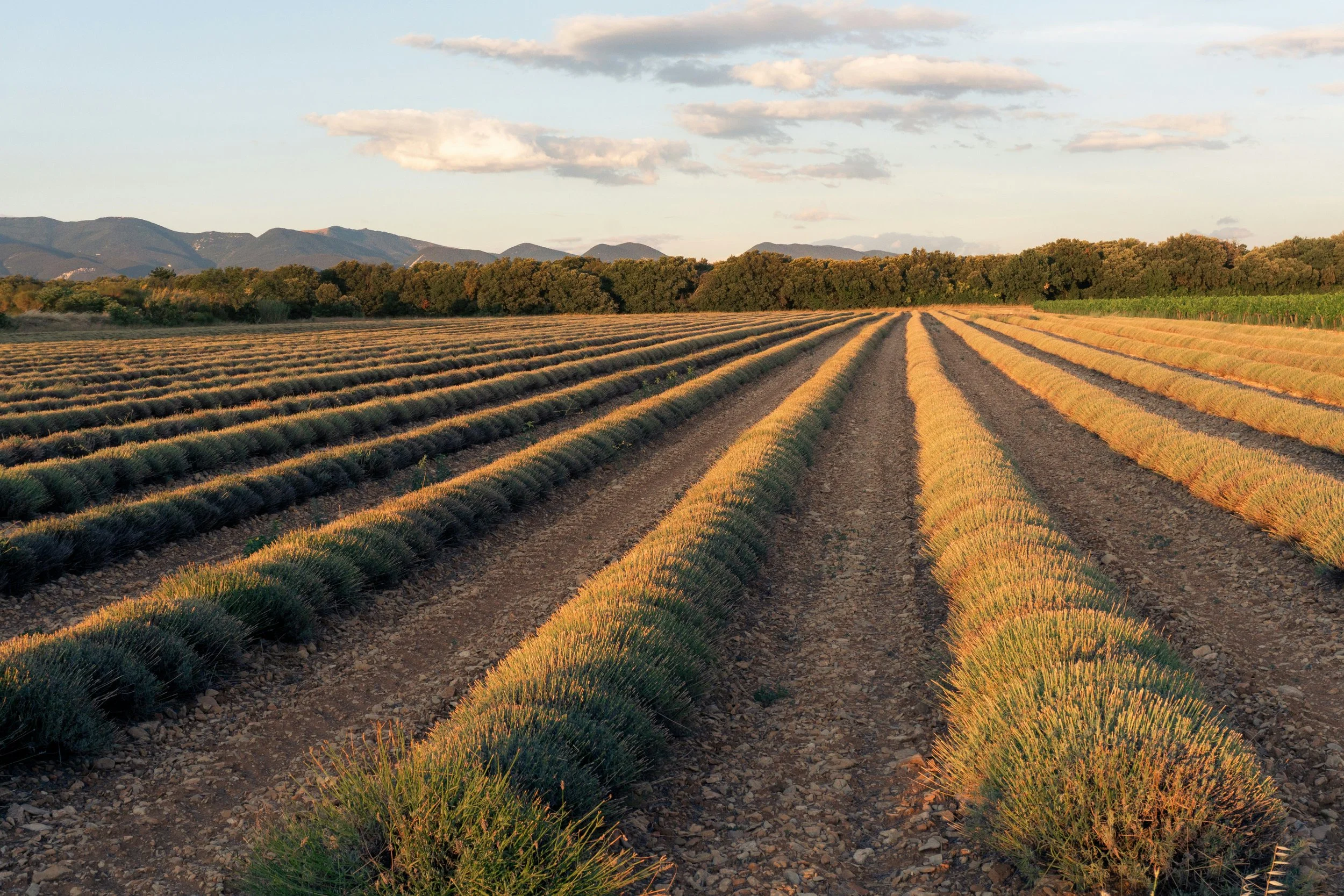
We came the first time, like almost everyone, for the lavender. We had the photograph in our heads, the same one you probably have, and we built a whole idea of Provence around it. What we found instead, and what has brought us back since, was something we had not known to look for and now cannot stop noticing: the light.
We arrived one September morning in Gordes when the light was doing something specific and irreplaceable to the limestone walls, a warm, low, honeyed clarity that seemed to come from the stone as much as from the sky. The summer crowds had gone. The lavender, we quickly learned, had been cut weeks before, and the fields were brown stubble.
On paper we had arrived too late for the thing we came for. A woman was opening the shutters on the third floor of a house that had been in her family longer than anyone alive could remember, and the whole square was silent, and the light was pouring down it, and we understood, more or less on the spot, that we had arrived at exactly the right reason to come.
WHAT THE LIGHT ACTUALLY DOES
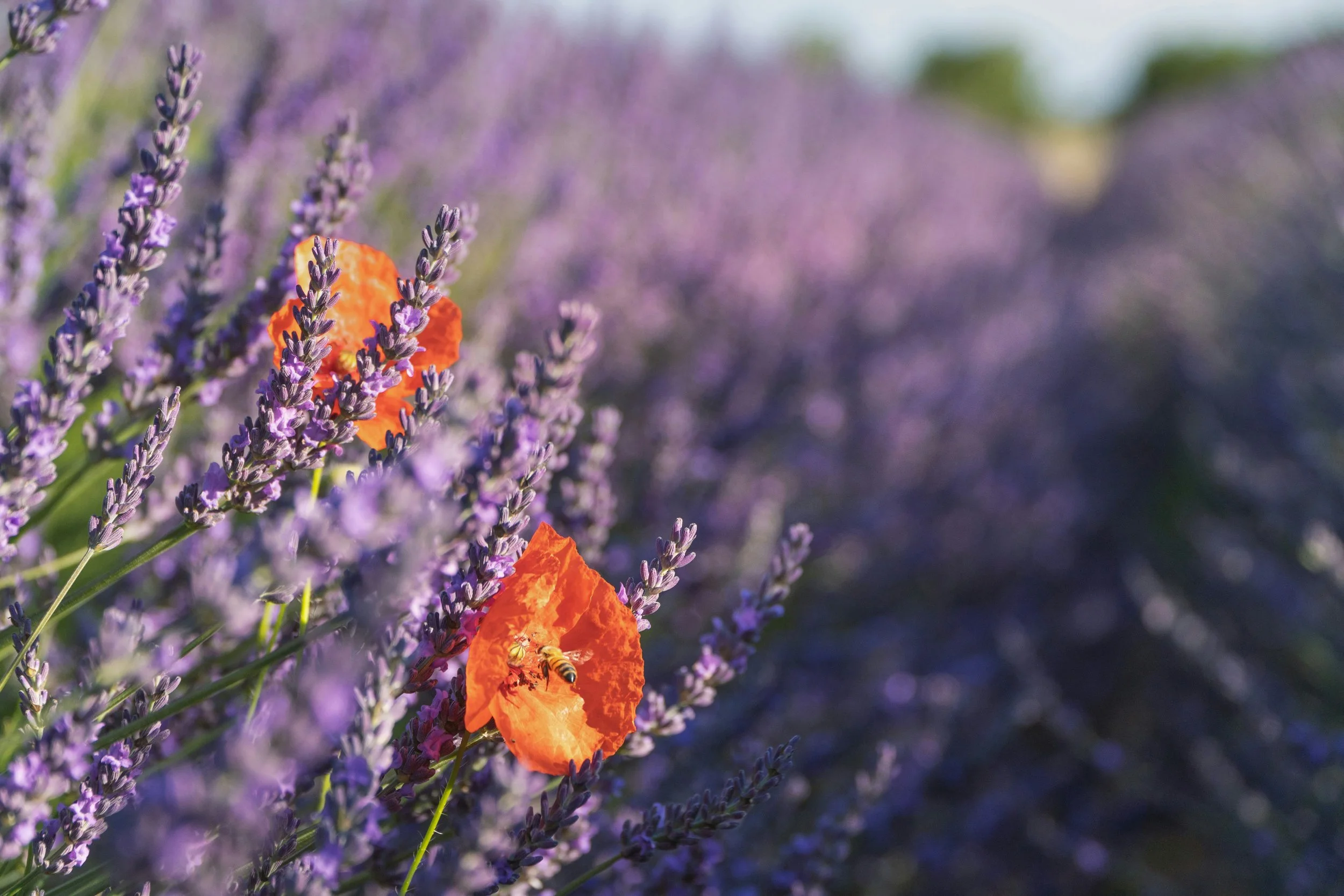
It is not a small thing or a poetic exaggeration. The light is why the painters came. Cézanne spent a lifetime trying to hold the shape of Montagne Sainte-Victoire in it. Van Gogh went a little mad and entirely brilliant under it a short drive away. There is a quality to the Provençal afternoon, a way it lasts and lengthens and turns everything the color of warm bread, that rearranges how you see ordinary things. A wall. A row of vines. A plate of tomatoes on a market table. Under this light they stop being ordinary, and you find yourself standing in a car park photographing a doorway, which is a slightly embarrassing thing to catch yourself doing and also, we have decided, the correct response.
The lavender, for all its fame, lasts a few weeks and then it is gone. The light is here most of the year, and it is at its most generous in the very autumn weeks when the flowers are only a memory. That is the quiet trade at the heart of the place, and once you understand it, you plan your trips around the thing that stays rather than the thing that leaves.
WHAT WE LEARNED TO NOTICE INSTEAD
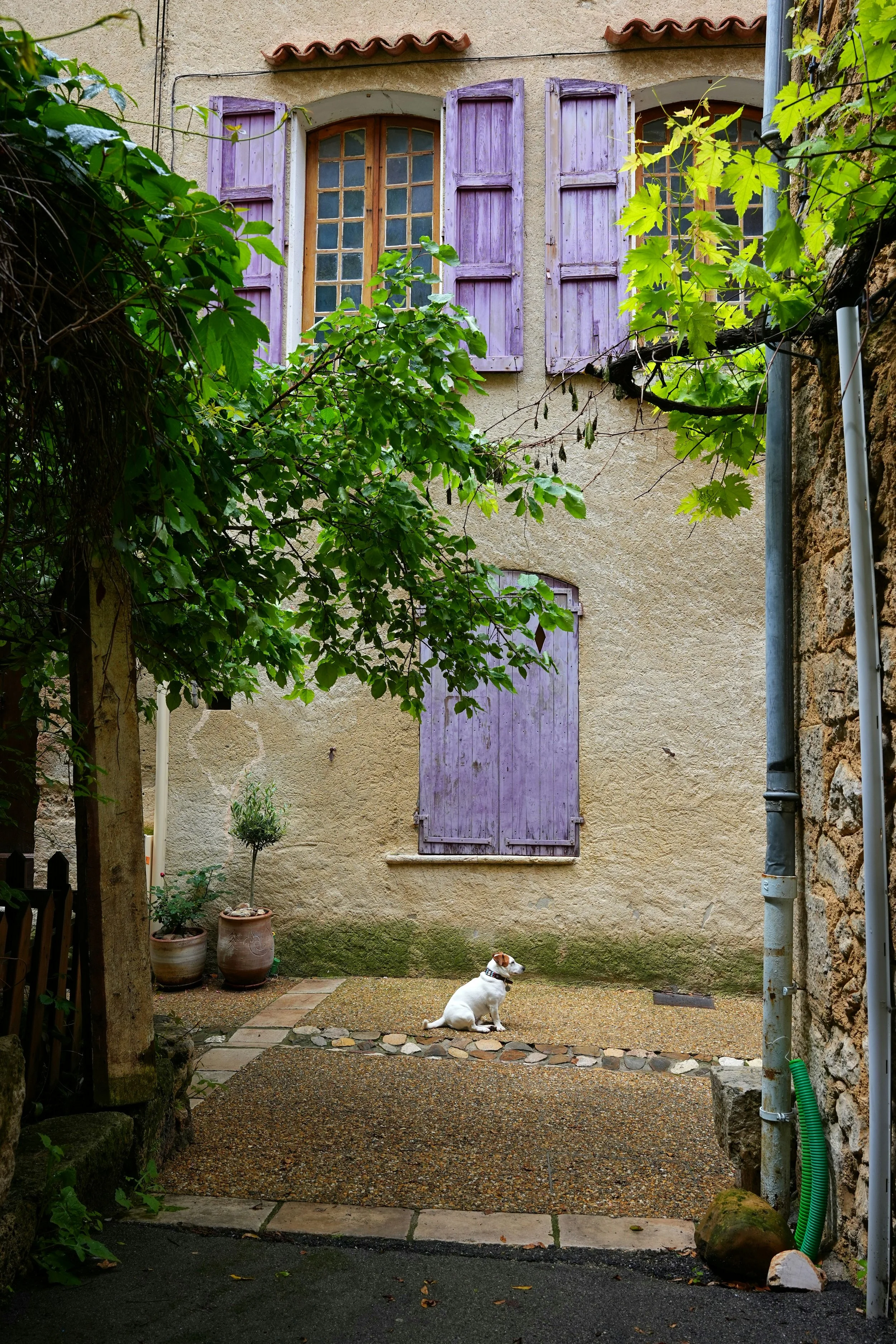
Because we had missed the lavender, we paid attention to everything else, and everything else turned out to be the trip. The way a village empties and goes silent by four in the afternoon, so completely that you can hear your own footsteps on the stone. The markets that in autumn are unmistakably for eating rather than for selling souvenirs, all figs and cheese and the first of the season's olives. The winemakers out in the vines for the harvest, who will, if you turn up at the right cellar at the right unhurried moment, pour you something that isn't on any list yet and tell you why it matters. The six o'clock pastis. The two-hour lunch that ends, really ends, at two. None of these were on our original itinerary, because our original itinerary had one item on it, and it was purple, and it was already gone.
WHY WE KEEP COMING BACK
People ask us what there is to do in Provence, and we never quite know how to answer, because the honest reply, that the main activity is paying attention while the light changes, does not fit neatly into a plan. But that is the truth of it. We go back not to see a thing but to be somewhere, slowly, while the afternoon does its work. We stay longer than we mean to. We eat lunch at the pace the region insists on. We drive nowhere in particular down small roads with the windows down.
We arrived for the lavender, once, and we missed it. It remains the best travel mistake we have ever made. Come for whatever brings you. Just leave a little room to be surprised by the light and general ambience, because it is patient, it is everywhere, and it is the thing you will actually remember.