
DO YOU NEED A CAR IN PROVENCE? (YES, AND HERE'S WHY)
Getting around the south of France, and why the driving is half the pleasure
All future articles will be posted on our Substack at https://byhande.substack.com/
We will save you the suspense that other travel articles like to draw out over eight hundred coy words. Yes. You need a car in Provence. Outside the big cities, the answer is not really in question, and anyone who tells you that you can do it all by train and bus is either describing a very different and much smaller trip, or has never tried to reach a hilltop village at four in the afternoon on a Sunday, which is roughly when Provençal public transport goes home and locks the door.
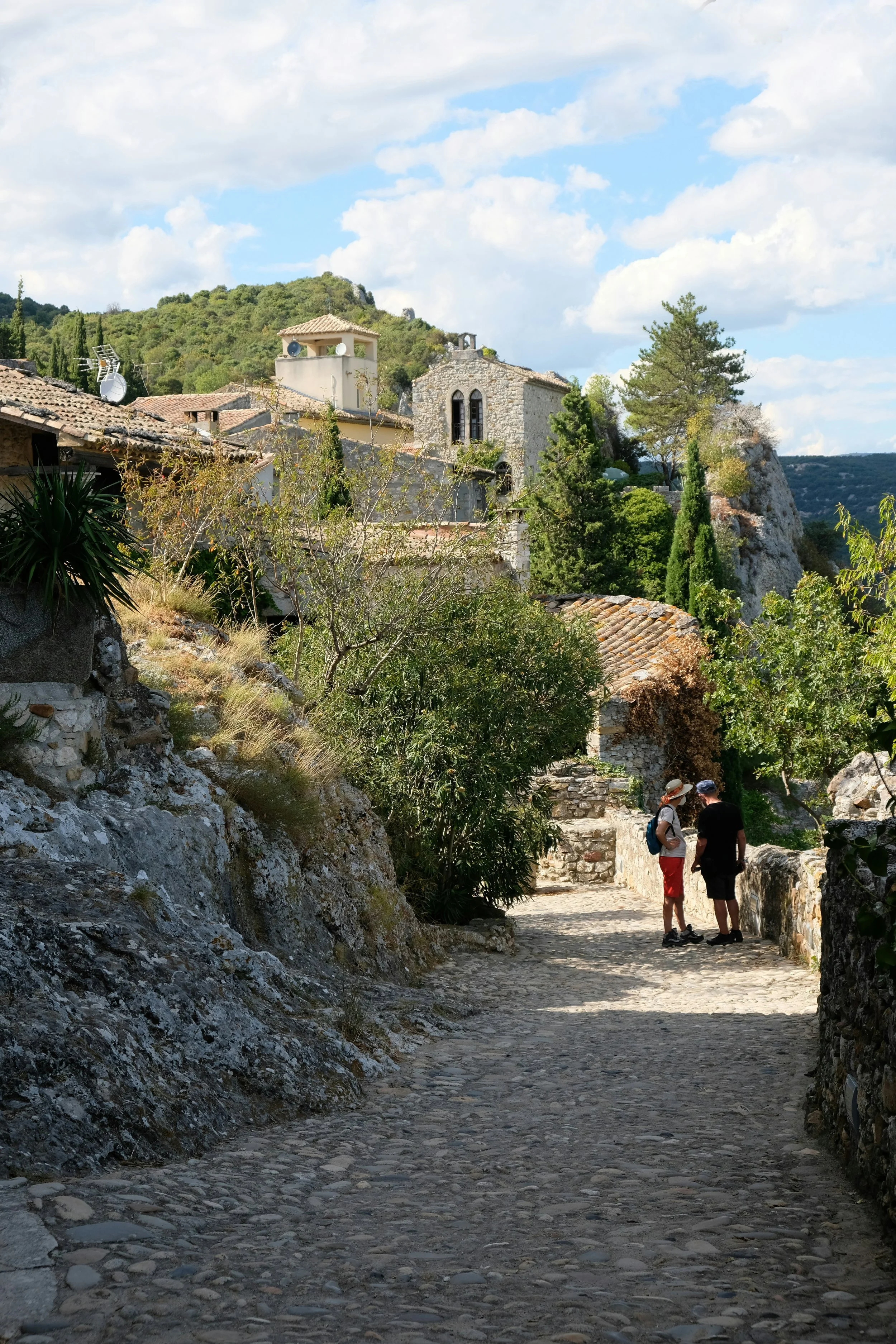
The whole reason to come to rural Provence is exactly the reason it resists public transport: the good things are scattered across hills and gorges and lavender plateaux and up narrow roads to villages that appear to have grown out of the rock rather than been built on it. The remote monastery, the roadside farm stall, the cellar with no sign, the viewpoint you find by accident: none of them are on a bus route, and that is precisely why they are still worth finding. A car is not a compromise here. It is the key to the actual place.
WHAT TO RENT
Book ahead, four to six weeks out, at Marseille-Provence Airport (MRS), which is where most trips begin. September is still busy with business travel, so the good small cars go early.
Rent small. We mean it. A compact, or a medium estate if you need the boot space, is exactly right. Resist the instinct, common among people about to drive somewhere beautiful, to upgrade to a large SUV for the occasion.
Provençal village parking was designed for a horse and has not been substantially revised since. The gorge roads are narrow and winding and reward a car you can actually place with confidence. A big vehicle here is a source of low, constant stress and the occasional folded mirror.
THE ROADS, AND HOW TO READ THEM
There are really two kinds of driving in Provence, and knowing which you are on changes everything.
The autoroutes (the A7, A51, and A8) are the fast, tolled motorways, and they are straightforward and dull in the way motorways should be. Use them to cover distance.
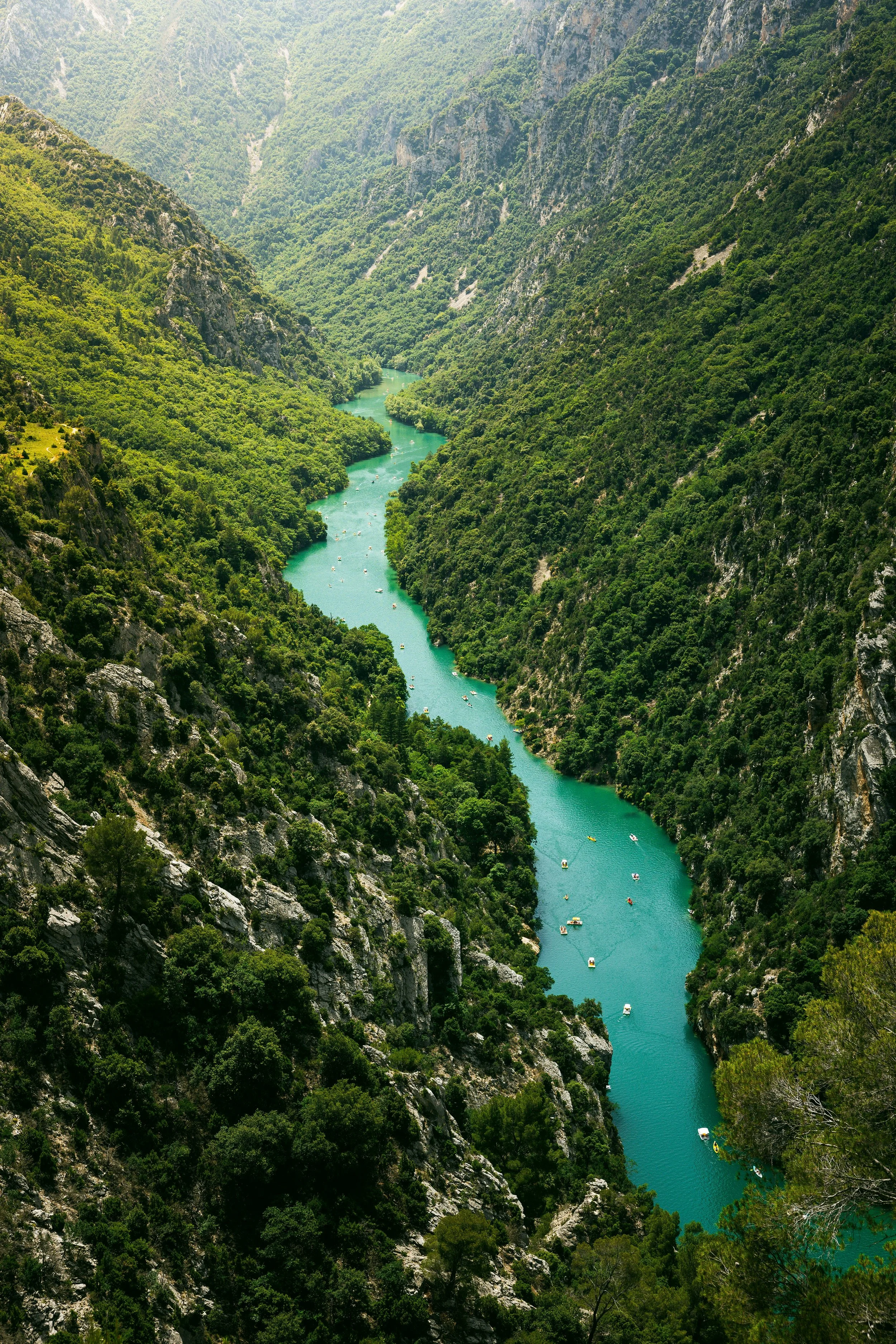
The D roads, the routes départementales, are the other kind, and they are the whole point: narrow, winding, lined with plane trees, and quietly extraordinary. They are also slower than the map suggests, so give them time and do not schedule your day as though you will be traveling in a straight line at speed. You will not, and you will not want to. The one road to treat with real respect is the Route des Crêtes above the Gorges du Verdon, which is spectacular and genuinely demanding, and another good argument for the small car.
A few practical things we learned, some of them the mildly hard way. Village parking is almost always at the foot of the old town, not in it, so park there and walk up; the old center is for pedestrians and the occasional bewildered delivery van. Download Google Maps offline before you travel, because coverage in the Verdon gorge and the folds of Haute-Provence is unreliable exactly when you need it most. And fill the tank in towns when you have the chance, because village petrol stations are rare, sometimes unstaffed, and very often closed on Sundays, which is a wonderful day to run low on fuel in the middle of nowhere and reflect on your choices.
A WORD ON THE FEAR OF IT
If the idea of driving in a foreign country makes you tense, we understand, and we would gently point out that Provence is about the friendliest place imaginable to get over it. They drive on the right, as most of the world does. The autoroutes are calm and well engineered. And the back roads are so quiet and so lovely that the driving stops feeling like a chore somewhere around the second day and starts feeling like one of the best parts of the whole trip. Some of our happiest hours in Provence were spent going nowhere in particular down a D road with the windows down, which is a thing no train has ever offered anyone.
So rent the small car, book it early, take the back roads slowly, and fill up on Saturday. Provence opens itself to people who are willing to drive to it, and closes, quietly and completely, to those who aren't.