
WHY SWITZERLAND? WHAT TO EXPECT? WHAT TO PRIORITIZE, AND WHY?
Interlaken & the Bernese Oberland.
All future articles will be posted on our Substack at https://byhande.substack.com/
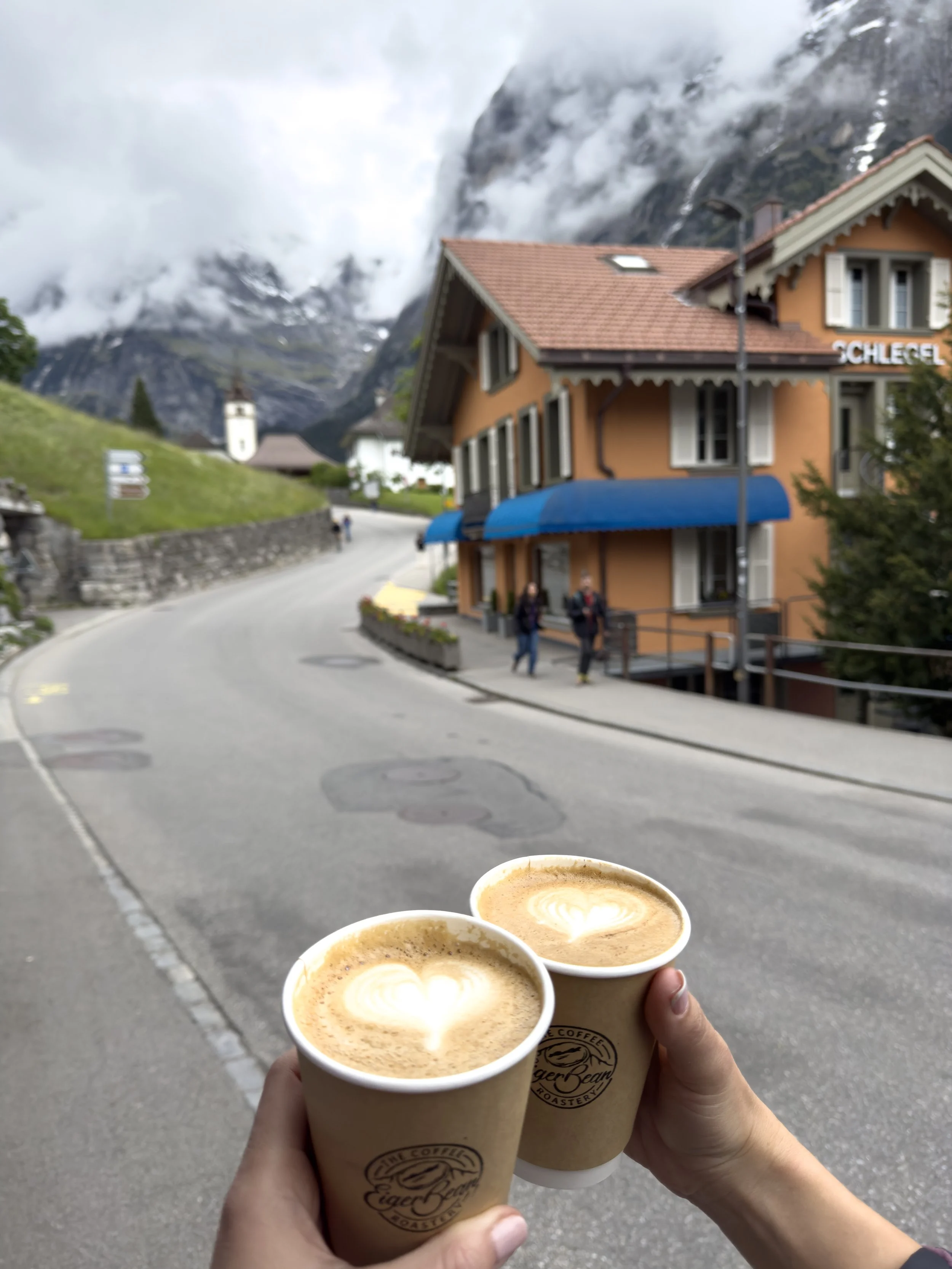
There is a moment, somewhere around your first Swiss coffee, when you do the currency conversion in your head, do it again because surely you've made a mistake, and quietly accept that you have not. Switzerland is expensive. We may as well get that out of the way at the top, the way you'd warn a friend about a step before they trip on it. Everyone who has been will tell you. Almost no one who has been regrets going anyway.
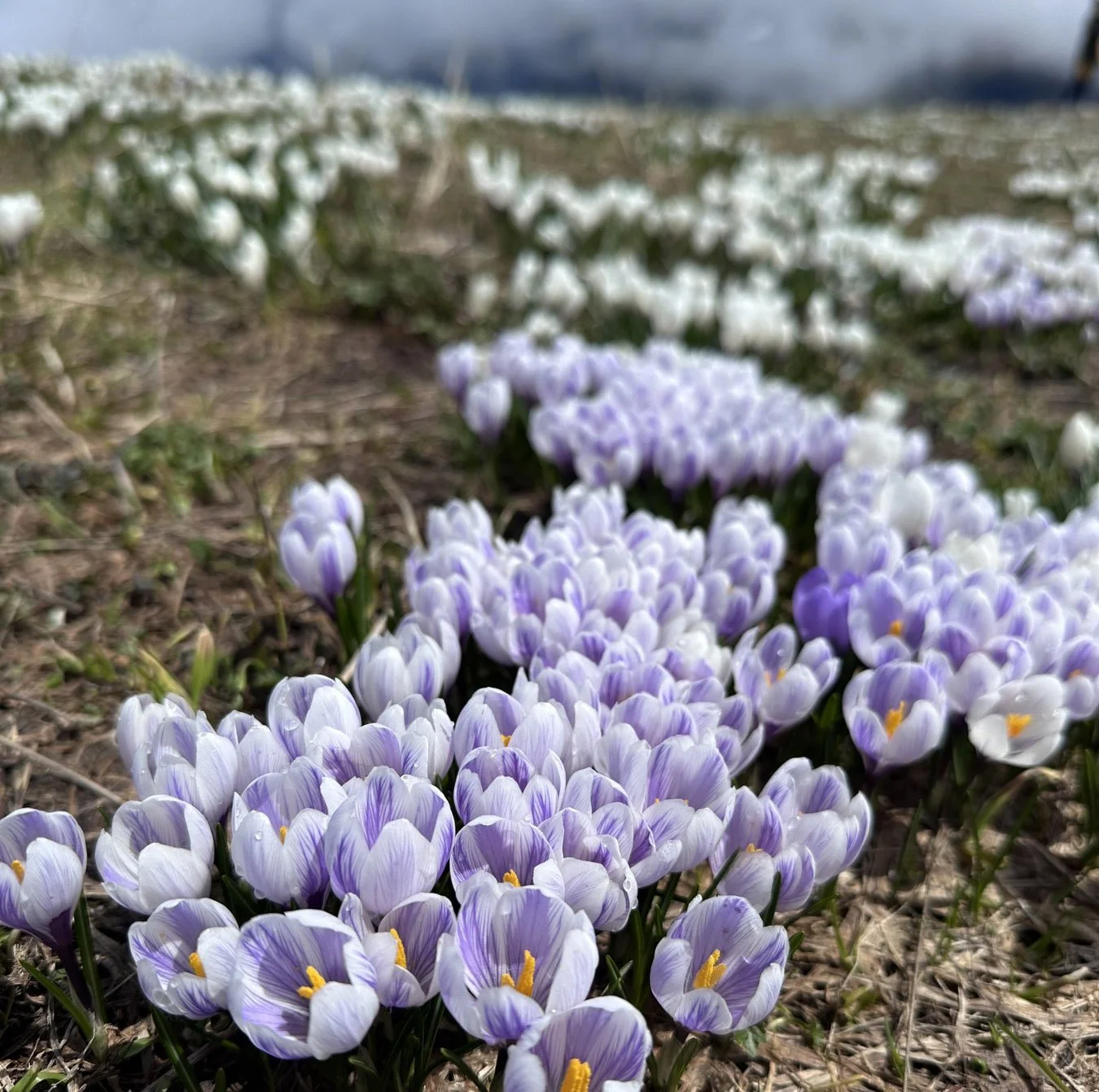
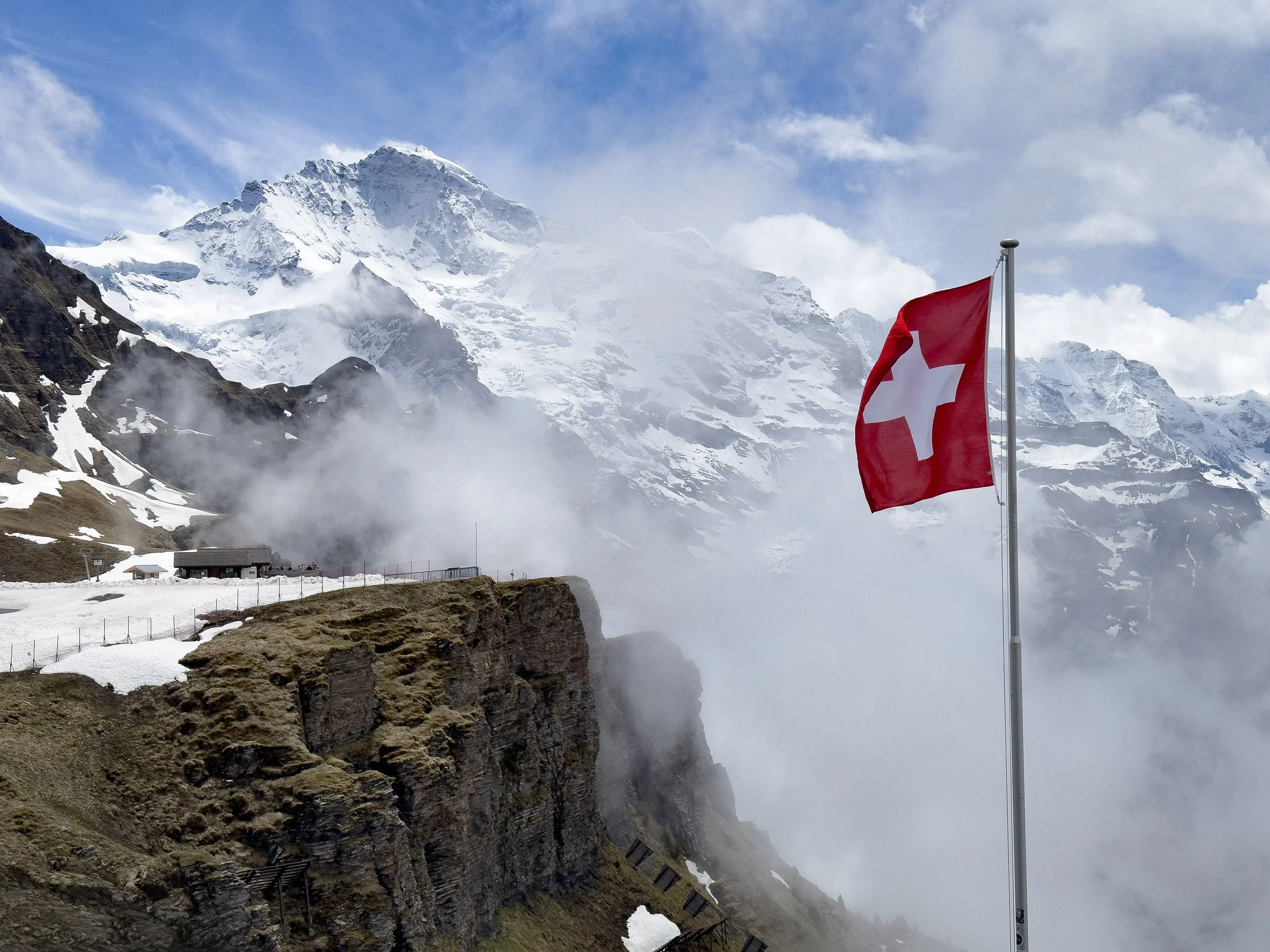
So: why Switzerland, and specifically why this corner of it, the Bernese Oberland, the cluster of valleys and impossible peaks around Interlaken? The honest answer is that nowhere else on earth gives you this much mountain for this little effort. You do not have to be young, fit, or particularly brave. You do not need crampons or a guide named Hans or a will filed with your attorney. You need a train ticket. The Swiss have spent a century and a fortune building railways up cliffs that other countries would have simply admired from the bottom, and the result is that an ordinary person in ordinary shoes can stand, before lunch, on a ridge where the Eiger, Mönch, and Jungfrau line up beside them like a row of very serious teeth. It is, we think, the most generous mountain range in the world, spectacular scenery with the difficulty setting turned way down.
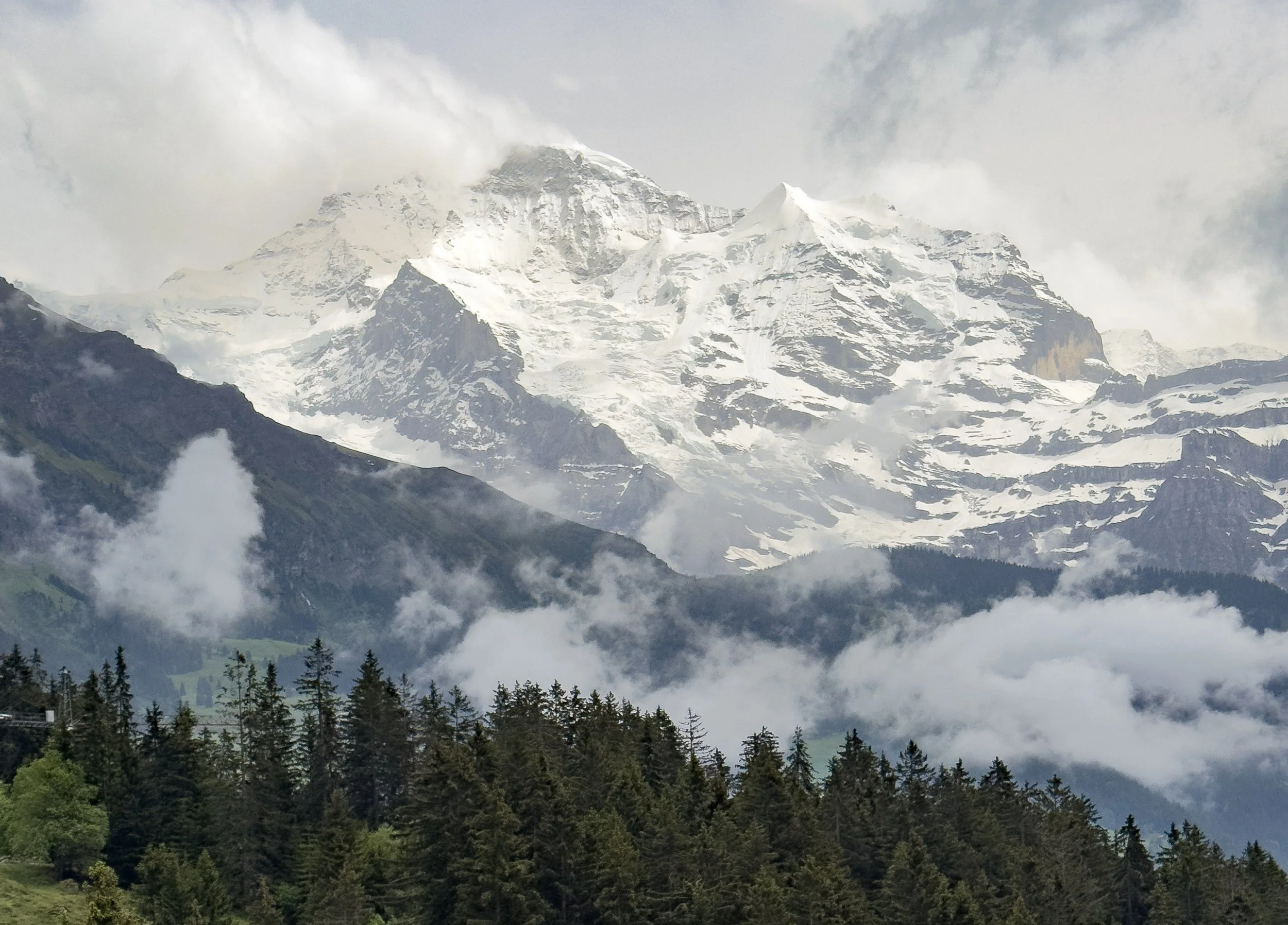
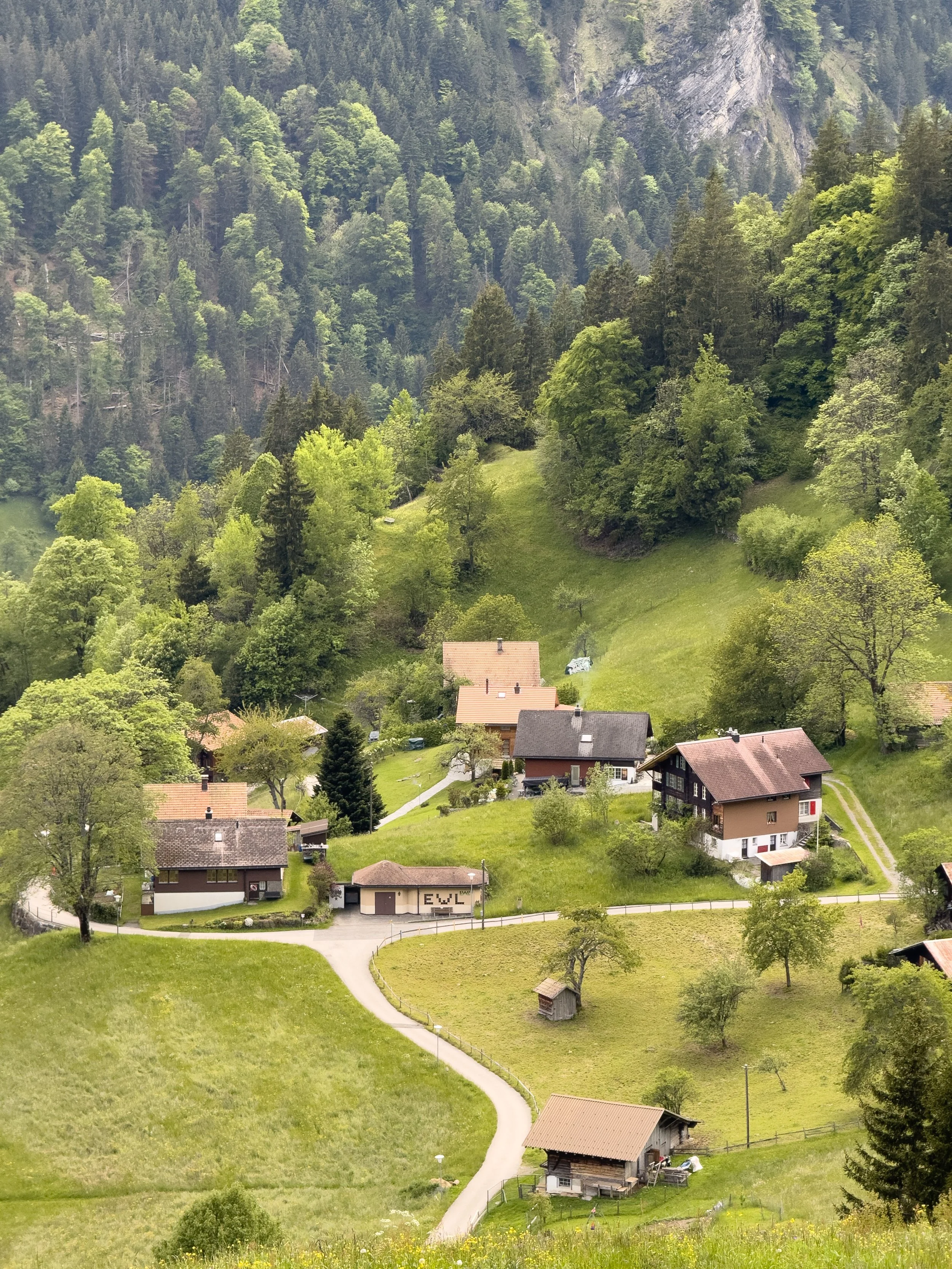
Magical views proximate to Lauterbrunnen valley and our homestead while in Switzerland (Wengen).
WHAT TO EXPECT
Expect it to work. This takes some adjusting to if you've traveled much of anywhere else. The train that says 9:02 leaves at 9:02, not 9:03, and if you are standing on the platform at 9:03 you are standing there alone, contemplating your choices. Connections that look insanely tight on paper, four minutes to change trains and climb half a mountain, turn out to be four minutes because the Swiss have measured it and four minutes is enough. After a few days you stop worrying and start trusting it, which is a small holiday in itself.
Expect the weather to run the show. Mountains make their own weather, and the Oberland's best trick is a clear, still morning that clouds over by early afternoon. So the rhythm here is not "what's on the schedule" but "what's the sky doing." The trick, and it really is the whole trick, is to be up high early, when the summits are sharp and the light is long, then drift down into a slow lunch while the clouds do their afternoon business without you. A good two weeks here is really the same handful of excellent days, shuffled and dealt in whatever order the weather allows. Or, do what we did, wear panchos and keep-on-trucking.
Expect a certain politeness. You say Grüezi (roughly "GREW-tsee") when you walk into a shop or step into a cable car, and people warm to you the instant you try. Sundays are quiet and many shops close. Nobody hurries you, and nobody expects to be hurried. It is a country that takes its time and assumes you'll have the sense to do the same.
And expect, yes, the expense, but expect also that it's manageable if you're a little clever. The great secret is that the food is where you save without feeling deprived. A picnic from the Coop or Migros supermarket, eaten on a summit bench with a view worth more than any restaurant, costs a fraction of a sit-down meal and somehow tastes better. Tap water is superb and free everywhere. Have your big meal at midday, the "lunch of the day" at a mountain restaurant is honest, filling, and half the price of dinner. Then spend the money you saved on the thing you actually came for: the mountains.
WHAT TO PRIORITIZE, AND WHY
Prioritize altitude on your clear mornings. The big-ticket heights, the Jungfraujoch (the "Top of Europe"), the Schilthorn, Schynige Platte, are entirely at the mercy of cloud, and there is nothing sadder than paying handsomely to ride to a viewpoint and arrive inside a grey ping-pong ball. So keep those days flexible. Watch the forecast, and the morning the sky is clean, drop everything and go up. Save the valley walks, the lakeside towns, and the cities of Bern and Lucerne for the days the tops are socked in. They're lovely in any weather, which is exactly why they're your rainy-day insurance.
“If you take nothing else from us, take this: do less, and do it higher.”
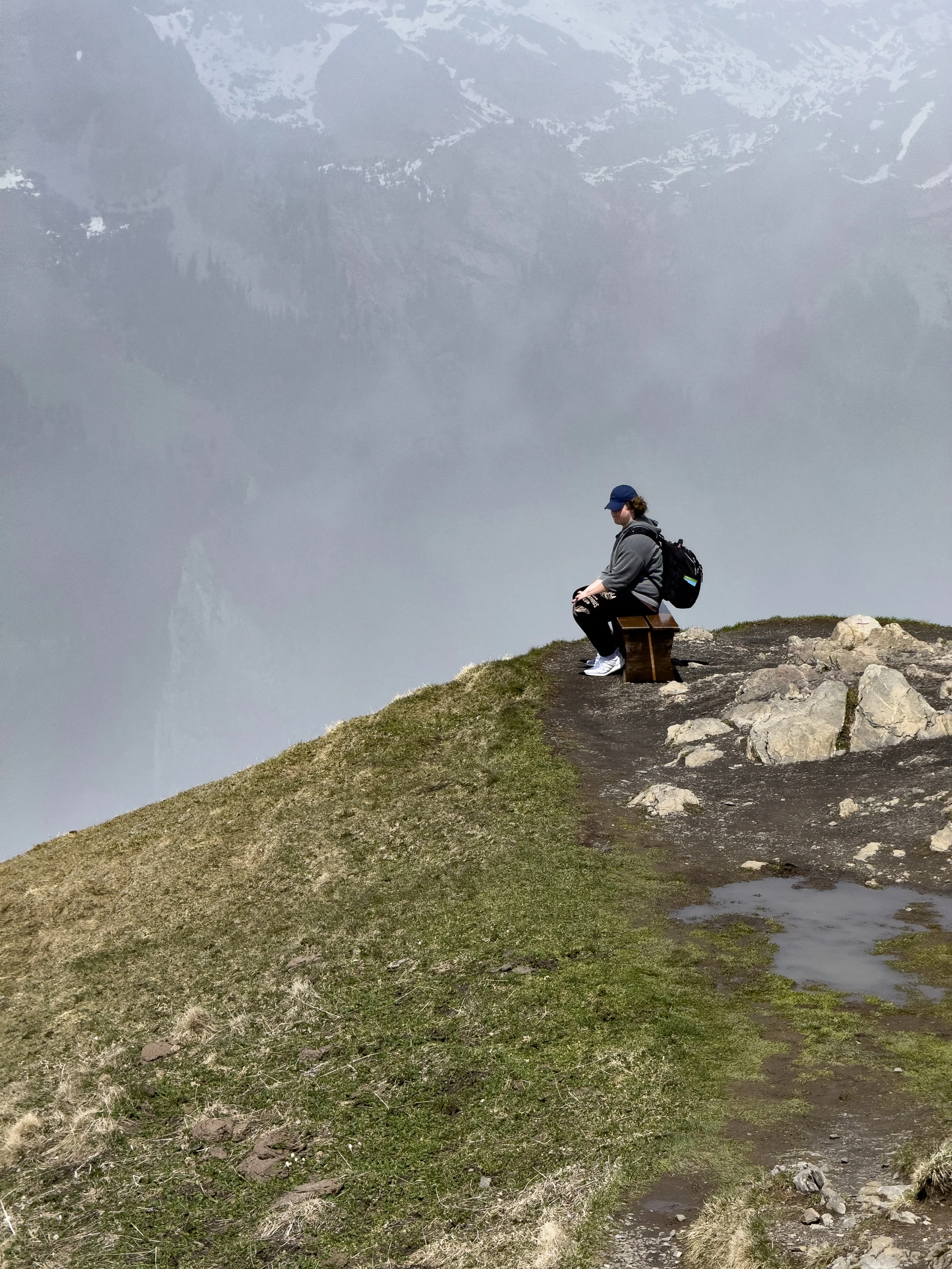
Prioritize two things a day.
This is the one most people get wrong, ourselves included, on the first trip. The instinct is to cram three summits, two lakes, a castle, and a cheese cave, all by Tuesday. We suggest resisting it. The Oberland rewards savoring the views and the moments. Two meaningful things a day, with a long terrace lunch in between; it's how you actually remember the place instead of photographing it at speed.
Prioritize the pass math before you buy anything. Switzerland's transport passes can save you real money or quietly waste it, depending on your itinerary, and the differences make grown adults weep. For a wide-ranging two weeks that includes Bern and Lucerne, the Berner Oberland Pass is usually the tidy answer. If you'd rather pay as you go, the Half Fare Card gets you roughly half off nearly everything for a modest flat fee. The dull ten minutes you spend adding up your planned days against each pass will pay for a very nice dinner.
Prioritize experiences over indulgences. Given a franc to spend, spend it on the excursion, not the tasting menu. The mountain railway is the splurge that's actually the point. The fancy dinner is the splurge you'll have forgotten by autumn.
And a small, honest note to close on, because we'd rather you hear it from us: the single most expensive outing, the Jungfraujoch, is genuinely wonderful and genuinely pricey, and it is worth doing on a clear day and worth skipping on a cloudy one. That's not us being coy. That's just the mountain telling the truth. Come when the sky is kind, order the rösti, catch the early train, and let Switzerland do the rest. It's very good at this.